Buy hobbyshop.eu ?
We are moving the project
hobbyshop.eu .
Are you interested in purchasing the domain
hobbyshop.eu ?
domain@kv-gmbh.de · 0541-91531010
Buy hobbyshop.eu ?
What tools, materials, and equipment do teachers work with?
Teachers work with a variety of tools, materials, and equipment in their daily work. Some common tools include whiteboards, markers, and projectors for delivering lessons. Materials such as textbooks, worksheets, and manipulatives are used to support student learning. Equipment like computers, printers, and audio-visual devices are also essential for creating engaging lessons and activities. Overall, teachers rely on a combination of traditional and modern tools to effectively educate their students. **
Are drainage pipes more stable than KG pipes?
Drainage pipes are typically more stable than KG pipes because they are designed to handle the weight of soil and water above them. Drainage pipes are usually made of materials such as PVC or corrugated metal, which are strong and durable. KG pipes, on the other hand, are typically used for non-pressure applications and may not be as sturdy as drainage pipes. Overall, drainage pipes are better suited for underground applications where stability and durability are important factors. **
Similar search terms for Pipes
Top-Angebote
Products related to Pipes:
-
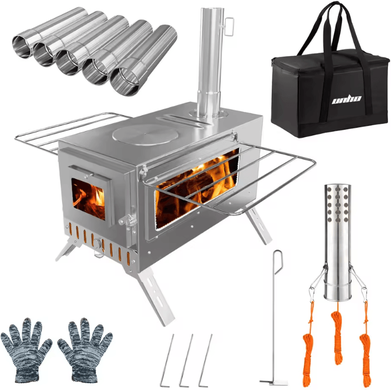
Inspire Curations Portable Hot Tent Wood Stove With Chimney Pipes For Outdoor Cooking & Heating Portable Hot Tent Wood Stove With Chimney Pipes For Outdoor Cooking & HeatingStay warm and cook with confidence wherever your adventure takes you. This portable wood stove is designed for outdoor enthusiasts who need reliable heat and cooking power in one compact setup. Built with durable materials and a complete chimney...380,50 $*Shipping: 0,00 $Secure redirect to the provider
-
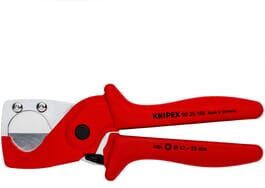
KNIPEX 25mm Pipe Cutters for Plastic Composite Pipes (90 25 185)KNIPEX Pipe Cutters for Plastic Composite Pipes (90 25 185) For cutting composite pipes from Ø 12–25mm, giving clean, smooth and burr-free cut surfaces. The blade is made from high-strength special grade steel, oil-hardened and tempered, and is easily exchangeable when it needs replacing. An opening spring and locking device keep the tool ready to use and safe to store, and ergonomically shaped handles made of glass fibre reinforced plastic give a comfortable, durable grip. Not suitable for cutting cables. Key Features & Benefits Clean, Burr-Free Cuts: Smooth cut surfaces on composite pipe. Exchangeable Blade: Made from high-strength special grade steel, oil-hardened and tempered. Opening Spring and Locking Device: C41,40 £*Shipping: 5,00 £Secure redirect to the provider
-
KNIPEX DP50 Pipe Cutter for Plastic Drain Pipes (90 23 01 BK)KNIPEX DP50 Pipe Cutter for Plastic Drain Pipes (90 23 01 BK) Cut and chamfer all common domestic plastic drain pipes up to Ø 50mm in a single operation. The reversible, high-quality ball-bearing steel blade can be easily replaced without tools, and the DP50 provides a clean cut with no readjusting or deburring required, reducing potential blockages or damage to seals. The DP50 cuts high-temperature and other plastic pipes with diameters of 32mm, 40mm or 50mm and wall thicknesses up to 2.4mm. Optimum pipe guidance and easy cutting come from self-adjusting rollers with plain bearings, and a clear view of the cutting point makes positioning easy. The spring-loaded cutting blade needs no unnecessary adjustment during cutting, and the exchangeable blade has two cutting edges that can be reversed when one side shows signs of wear. Trimming or fine cuttin44,99 £*Shipping: 5,00 £Secure redirect to the provider

-
With which work tools, materials, and equipment do teachers work?
Teachers work with a variety of tools, materials, and equipment in their daily tasks. Some common tools include computers, projectors, whiteboards, and pens. Materials can range from textbooks and worksheets to art supplies and science equipment. Additionally, teachers may use equipment such as printers, laminators, and document cameras to enhance their teaching methods and create engaging learning experiences for students. **
-
Are plastic heating pipes as temperature-resistant as copper pipes?
Plastic heating pipes are generally not as temperature-resistant as copper pipes. While plastic pipes can withstand moderate temperatures, they may deform or melt at higher temperatures, leading to potential leaks or damage. Copper pipes, on the other hand, have a higher temperature resistance and are less likely to be affected by heat, making them a more durable option for heating systems. **
-
How do I replace old steel heating pipes with copper pipes?
To replace old steel heating pipes with copper pipes, you will first need to turn off the water supply to the heating system. Next, use a pipe cutter to remove the old steel pipes and clean the ends of the copper pipes that will be replacing them. Then, use soldering equipment to connect the copper pipes in place of the old steel pipes. Finally, test the new copper pipes for leaks before turning the water supply back on. It is recommended to consult a professional plumber if you are not experienced with this type of work. **
-
Are these lead pipes?
Yes, these are lead pipes. Lead pipes were commonly used in plumbing systems in older buildings, but they have since been phased out due to health concerns associated with lead exposure. It is important to have these pipes replaced with safer alternatives to ensure the health and safety of the occupants. **


Are those lead pipes?
Yes, those are lead pipes. Lead pipes were commonly used in plumbing systems in older buildings, but they are now known to be a health hazard due to the potential for lead leaching into the water supply. It is recommended to have lead pipes replaced with safer alternatives to avoid potential health risks. **
When do pipes freeze?
Pipes are most likely to freeze when the temperature drops below 20 degrees Fahrenheit. This is especially true for pipes that are located in unheated areas, such as basements, attics, or crawl spaces. Additionally, pipes that are located near exterior walls or in areas with poor insulation are also at a higher risk of freezing. It's important to take preventative measures, such as insulating pipes and allowing faucets to drip during extremely cold weather, to avoid frozen pipes and potential water damage. **
Top-Angebote
Products related to Pipes:
-
Inspire Curations Portable Hot Tent Wood Stove With Chimney Pipes For Outdoor Cooking & Heating Portable Hot Tent Wood Stove With Chimney Pipes For Outdoor Cooking & HeatingStay warm and cook with confidence wherever your adventure takes you. This portable wood stove is designed for outdoor enthusiasts who need reliable heat and cooking power in one compact setup. Built with durable materials and a complete chimney...380,50 $*Shipping: 0,00 $Secure redirect to the provider
-
What tools, materials, and equipment do teachers work with?
Teachers work with a variety of tools, materials, and equipment in their daily work. Some common tools include whiteboards, markers, and projectors for delivering lessons. Materials such as textbooks, worksheets, and manipulatives are used to support student learning. Equipment like computers, printers, and audio-visual devices are also essential for creating engaging lessons and activities. Overall, teachers rely on a combination of traditional and modern tools to effectively educate their students. **
-
Are drainage pipes more stable than KG pipes?
Drainage pipes are typically more stable than KG pipes because they are designed to handle the weight of soil and water above them. Drainage pipes are usually made of materials such as PVC or corrugated metal, which are strong and durable. KG pipes, on the other hand, are typically used for non-pressure applications and may not be as sturdy as drainage pipes. Overall, drainage pipes are better suited for underground applications where stability and durability are important factors. **
-
With which work tools, materials, and equipment do teachers work?
Teachers work with a variety of tools, materials, and equipment in their daily tasks. Some common tools include computers, projectors, whiteboards, and pens. Materials can range from textbooks and worksheets to art supplies and science equipment. Additionally, teachers may use equipment such as printers, laminators, and document cameras to enhance their teaching methods and create engaging learning experiences for students. **
-
Are plastic heating pipes as temperature-resistant as copper pipes?
Plastic heating pipes are generally not as temperature-resistant as copper pipes. While plastic pipes can withstand moderate temperatures, they may deform or melt at higher temperatures, leading to potential leaks or damage. Copper pipes, on the other hand, have a higher temperature resistance and are less likely to be affected by heat, making them a more durable option for heating systems. **
Similar search terms for Pipes
-
KNIPEX 25mm Pipe Cutters for Plastic Composite Pipes (90 25 185)KNIPEX Pipe Cutters for Plastic Composite Pipes (90 25 185) For cutting composite pipes from Ø 12–25mm, giving clean, smooth and burr-free cut surfaces. The blade is made from high-strength special grade steel, oil-hardened and tempered, and is easily exchangeable when it needs replacing. An opening spring and locking device keep the tool ready to use and safe to store, and ergonomically shaped handles made of glass fibre reinforced plastic give a comfortable, durable grip. Not suitable for cutting cables. Key Features & Benefits Clean, Burr-Free Cuts: Smooth cut surfaces on composite pipe. Exchangeable Blade: Made from high-strength special grade steel, oil-hardened and tempered. Opening Spring and Locking Device: C41,40 £*Shipping: 5,00 £Secure redirect to the provider
-
KNIPEX DP50 Pipe Cutter for Plastic Drain Pipes (90 23 01 BK)KNIPEX DP50 Pipe Cutter for Plastic Drain Pipes (90 23 01 BK) Cut and chamfer all common domestic plastic drain pipes up to Ø 50mm in a single operation. The reversible, high-quality ball-bearing steel blade can be easily replaced without tools, and the DP50 provides a clean cut with no readjusting or deburring required, reducing potential blockages or damage to seals. The DP50 cuts high-temperature and other plastic pipes with diameters of 32mm, 40mm or 50mm and wall thicknesses up to 2.4mm. Optimum pipe guidance and easy cutting come from self-adjusting rollers with plain bearings, and a clear view of the cutting point makes positioning easy. The spring-loaded cutting blade needs no unnecessary adjustment during cutting, and the exchangeable blade has two cutting edges that can be reversed when one side shows signs of wear. Trimming or fine cuttin44,99 £*Shipping: 5,00 £Secure redirect to the provider
-
How do I replace old steel heating pipes with copper pipes?
To replace old steel heating pipes with copper pipes, you will first need to turn off the water supply to the heating system. Next, use a pipe cutter to remove the old steel pipes and clean the ends of the copper pipes that will be replacing them. Then, use soldering equipment to connect the copper pipes in place of the old steel pipes. Finally, test the new copper pipes for leaks before turning the water supply back on. It is recommended to consult a professional plumber if you are not experienced with this type of work. **
-
Are these lead pipes?
Yes, these are lead pipes. Lead pipes were commonly used in plumbing systems in older buildings, but they have since been phased out due to health concerns associated with lead exposure. It is important to have these pipes replaced with safer alternatives to ensure the health and safety of the occupants. **
-
Are those lead pipes?
Yes, those are lead pipes. Lead pipes were commonly used in plumbing systems in older buildings, but they are now known to be a health hazard due to the potential for lead leaching into the water supply. It is recommended to have lead pipes replaced with safer alternatives to avoid potential health risks. **
-
When do pipes freeze?
Pipes are most likely to freeze when the temperature drops below 20 degrees Fahrenheit. This is especially true for pipes that are located in unheated areas, such as basements, attics, or crawl spaces. Additionally, pipes that are located near exterior walls or in areas with poor insulation are also at a higher risk of freezing. It's important to take preventative measures, such as insulating pipes and allowing faucets to drip during extremely cold weather, to avoid frozen pipes and potential water damage. **
* All prices are inclusive of VAT and, if applicable, plus shipping costs. The offer information is based on the details provided by the respective shop and is updated through automated processes. Real-time updates do not occur, so deviations can occur in individual cases. ** Note: Parts of this content were created by AI.