Buy hobbyshop.eu ?
We are moving the project
hobbyshop.eu .
Are you interested in purchasing the domain
hobbyshop.eu ?
domain@kv-gmbh.de · 0541-91531010
Buy hobbyshop.eu ?
What are trophic levels and trophic structures?
Trophic levels refer to the hierarchical levels in an ecosystem through which energy and nutrients flow. They represent the feeding positions of different organisms in a food chain or food web. Trophic structures, on the other hand, describe the organization of these trophic levels within an ecosystem. This includes the distribution of energy and nutrients among different organisms, as well as the interactions and relationships between them. Overall, trophic levels and trophic structures are important concepts for understanding the flow of energy and nutrients in ecosystems and the dynamics of food chains and food webs. **
Are trophic levels and trophic levels the same in biology?
No, trophic levels and trophic levels are not the same in biology. Trophic levels refer to the hierarchical levels in an ecosystem based on an organism's position in the food chain, such as producers, primary consumers, secondary consumers, etc. On the other hand, trophic cascades are the indirect effects that occur when a change in one trophic level impacts other trophic levels in the ecosystem. Both concepts are important in understanding the dynamics of energy flow and interactions within ecosystems. **

Similar search terms for Trophic
Top-Angebote
Products related to Trophic:
-
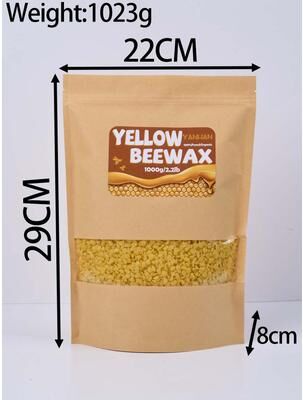
On Spot Shop Pure Natural Granular Beeswax, DIY Candle Making Supplies, Handmade Scented Wax, Raw Materials For Craft yellow BeeswaxUnlock the pure, natural essence of the hive with our Premium Granular Beeswax. Sourced for the discerning crafter, this versatile beeswax is your allinone raw material for creating breathtaking, handmade projects. Unlike synthetic waxes, our 100%...44,97 $*Shipping: 0,00 $Secure redirect to the provider
-
FATIVO Freestanding Metal Tools Storage Cart Power Tool Organizer Shelf for Garage Workshop Yard with WheelsThis multi-functional storage cart features a smart combination of multiple shelf styles, offering exceptional versatility for organizing and storing all your garden tools neatly in one place.94,48 $*Shipping: 0,00 $Secure redirect to the provider
-
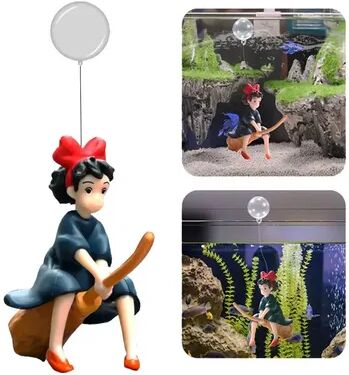
Inspire Daily Merch Fish Tank Cartoon Magic Jewelry, Cake Decoration, Aquarium Accessories, Fish Farming Supplies Fish Tank Cartoon Magic Jewelry, Cake Decoration, Aquarium Accessories, Fish Farming SuppliesTransform Your Fish Tank with Cartoon Magic Decorations Add a touch of whimsy to your fish tank with this Cartoon Magic Jewelry. This Fish Tank Decoration features a suspended design that creates a unique visual effect in your aquarium, making it a...32,97 $*Shipping: 0,00 $Secure redirect to the provider
-
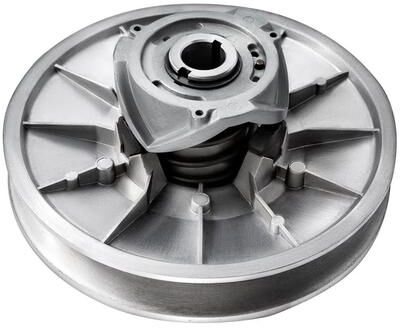
Tools, Home & Hobby High Torque Golf Cart Driven Clutch For Club Car DS & Precedent 1997 Up FE350 Gas Models High Torque Golf Cart Driven Clutch For Club Car DS & Precedent 1997 Up FE350 Gas ModelsRestore the smooth power and dependable performance your golf cart deserves with this golf cart driven clutch engineered for Club Car DS and Precedent models. Built for drivers who want stronger takeoffs, smoother acceleration, and reliable...149,97 $*Shipping: 0,00 $Secure redirect to the provider

-
Are trophic levels and trophic levels the same thing in biology?
No, "trophic levels" and "trophic levels" are not the same thing in biology. "Trophic levels" refer to the hierarchical levels in an ecosystem based on an organism's position in the food chain, such as producers, primary consumers, secondary consumers, and so on. On the other hand, "trophic levels" appears to be a typographical error or a repetition of the term "trophic levels." In biology, it is important to use accurate and specific terminology to avoid confusion and miscommunication. **
-
Why do organisms become larger from trophic level to trophic level?
Organisms become larger from trophic level to trophic level due to the efficiency of energy transfer in ecosystems. As energy is transferred from one trophic level to the next, there is a loss of energy in the form of heat and metabolic processes. Larger organisms are able to consume more energy-rich food sources and have a more efficient metabolism, allowing them to grow in size as they move up the food chain. Additionally, larger organisms are better equipped to capture and consume prey, giving them a competitive advantage in obtaining energy and resources. **
-
Why do organisms get larger from trophic level to trophic level?
Organisms tend to get larger from one trophic level to the next because as energy is transferred up the food chain, there is a loss of energy at each level. This means that organisms at higher trophic levels need to consume larger quantities of organisms from lower trophic levels to obtain enough energy to sustain themselves. Additionally, larger organisms are more efficient at capturing and consuming prey, allowing them to thrive at higher trophic levels. Finally, larger organisms have a lower surface area to volume ratio, which helps them retain heat and energy more effectively. **
-
Why does the biomass decrease from trophic level to trophic level?
Biomass decreases from trophic level to trophic level because energy is lost as it moves through the food chain. Organisms at each trophic level use some of the energy they consume for their own metabolic processes, such as respiration and movement, and the rest is lost as heat. This means that there is less energy available to be passed on to the next trophic level, resulting in a decrease in biomass. Additionally, not all of the energy from one trophic level is consumed by the next level, as some is lost through waste and uneaten parts of organisms. **

What are trophic levels in biology?
Trophic levels in biology refer to the hierarchical levels in an ecosystem where organisms are grouped based on their feeding relationships. The primary producers, such as plants, are at the base of the trophic levels as they convert sunlight into energy through photosynthesis. Herbivores that feed on plants are at the next level, followed by carnivores that eat herbivores. Each trophic level represents a transfer of energy and nutrients through the ecosystem, with energy decreasing as it moves up the levels. **
What is the trophic level of omnivores?
Omnivores are organisms that consume both plants and animals, so their trophic level can vary. When they consume plants, they are considered primary consumers (herbivores) and when they consume animals, they are considered secondary consumers (carnivores). This means that omnivores can occupy multiple trophic levels within a food web, depending on their diet. **
Top-Angebote
Products related to Trophic:
-
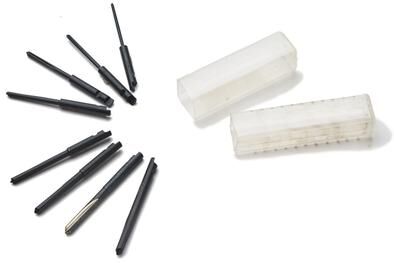
Kings County Tools Classic Yankee Push Drill Replacement Bits Set of 8, Fits Most Old Stanley ModelsGive new life to your old Yankee push drill with this Push Drill Bits Set by Kings County Tools. These original design bits are durable and compatible with most older Stanley Yankee Screwdrivers as well as other tools like Stanley Push Drills.59,99 $*Shipping: 0,00 $Secure redirect to the provider
-
Uplifted Goods Christmas Tree Silicone Mold For Epoxy Resin Crafts And Holiday Decor Supplies Christmas Tree Silicone Mold For Epoxy Resin Crafts And Holiday Decor SuppliesCreate festive holiday decorations with ease using this Christmas Tree Silicone Mold. This highquality epoxy resin mold is a musthave for your crafts making supplies, allowing you to cast intricate 3D Christmas trees for home decor, ornaments, or...29,97 $*Shipping: 0,00 $Secure redirect to the provider
-
On Spot Shop Pure Natural Granular Beeswax, DIY Candle Making Supplies, Handmade Scented Wax, Raw Materials For Craft yellow BeeswaxUnlock the pure, natural essence of the hive with our Premium Granular Beeswax. Sourced for the discerning crafter, this versatile beeswax is your allinone raw material for creating breathtaking, handmade projects. Unlike synthetic waxes, our 100%...44,97 $*Shipping: 0,00 $Secure redirect to the provider
-
FATIVO Freestanding Metal Tools Storage Cart Power Tool Organizer Shelf for Garage Workshop Yard with WheelsThis multi-functional storage cart features a smart combination of multiple shelf styles, offering exceptional versatility for organizing and storing all your garden tools neatly in one place.94,48 $*Shipping: 0,00 $Secure redirect to the provider
-
What are trophic levels and trophic structures?
Trophic levels refer to the hierarchical levels in an ecosystem through which energy and nutrients flow. They represent the feeding positions of different organisms in a food chain or food web. Trophic structures, on the other hand, describe the organization of these trophic levels within an ecosystem. This includes the distribution of energy and nutrients among different organisms, as well as the interactions and relationships between them. Overall, trophic levels and trophic structures are important concepts for understanding the flow of energy and nutrients in ecosystems and the dynamics of food chains and food webs. **
-
Are trophic levels and trophic levels the same in biology?
No, trophic levels and trophic levels are not the same in biology. Trophic levels refer to the hierarchical levels in an ecosystem based on an organism's position in the food chain, such as producers, primary consumers, secondary consumers, etc. On the other hand, trophic cascades are the indirect effects that occur when a change in one trophic level impacts other trophic levels in the ecosystem. Both concepts are important in understanding the dynamics of energy flow and interactions within ecosystems. **
-
Are trophic levels and trophic levels the same thing in biology?
No, "trophic levels" and "trophic levels" are not the same thing in biology. "Trophic levels" refer to the hierarchical levels in an ecosystem based on an organism's position in the food chain, such as producers, primary consumers, secondary consumers, and so on. On the other hand, "trophic levels" appears to be a typographical error or a repetition of the term "trophic levels." In biology, it is important to use accurate and specific terminology to avoid confusion and miscommunication. **
-
Why do organisms become larger from trophic level to trophic level?
Organisms become larger from trophic level to trophic level due to the efficiency of energy transfer in ecosystems. As energy is transferred from one trophic level to the next, there is a loss of energy in the form of heat and metabolic processes. Larger organisms are able to consume more energy-rich food sources and have a more efficient metabolism, allowing them to grow in size as they move up the food chain. Additionally, larger organisms are better equipped to capture and consume prey, giving them a competitive advantage in obtaining energy and resources. **
Similar search terms for Trophic
-
Inspire Daily Merch Fish Tank Cartoon Magic Jewelry, Cake Decoration, Aquarium Accessories, Fish Farming Supplies Fish Tank Cartoon Magic Jewelry, Cake Decoration, Aquarium Accessories, Fish Farming SuppliesTransform Your Fish Tank with Cartoon Magic Decorations Add a touch of whimsy to your fish tank with this Cartoon Magic Jewelry. This Fish Tank Decoration features a suspended design that creates a unique visual effect in your aquarium, making it a...32,97 $*Shipping: 0,00 $Secure redirect to the provider
-
Tools, Home & Hobby High Torque Golf Cart Driven Clutch For Club Car DS & Precedent 1997 Up FE350 Gas Models High Torque Golf Cart Driven Clutch For Club Car DS & Precedent 1997 Up FE350 Gas ModelsRestore the smooth power and dependable performance your golf cart deserves with this golf cart driven clutch engineered for Club Car DS and Precedent models. Built for drivers who want stronger takeoffs, smoother acceleration, and reliable...149,97 $*Shipping: 0,00 $Secure redirect to the provider
-
Tools, Home & Hobby Balance Board Wobble Board Trainer For Adults Wooden Core Workout Equipment Balance Board Wobble Board Trainer For Adults Wooden Core Workout EquipmentBuild strength, improve stability, and bring more movement into your daily routine with a versatile balance training tool designed for every fitness level. This premium wooden balance board helps adults enhance core strength, coordination, posture,...149,97 $*Shipping: 0,00 $Secure redirect to the provider
-
Healfit Counter Home Fitness Equipment, Abdominal Muscle Roller, ABS, Muscle Training, Weight Loss, Core Strength, Gym Accessories Home Fitness Equipment, Abdominal Muscle Roller, ABS, Muscle Training, Weight Loss, Core Strength, Gym AccessoriesTransform your home workouts with the Abdominal Muscle Roller crafted from durable ABS material. Designed to maximize your core strength, this versatile home fitness equipment is perfect for anyone looking to tone their abs, strengthen muscles, and...23,97 $*Shipping: 0,00 $Secure redirect to the provider
-
Why do organisms get larger from trophic level to trophic level?
Organisms tend to get larger from one trophic level to the next because as energy is transferred up the food chain, there is a loss of energy at each level. This means that organisms at higher trophic levels need to consume larger quantities of organisms from lower trophic levels to obtain enough energy to sustain themselves. Additionally, larger organisms are more efficient at capturing and consuming prey, allowing them to thrive at higher trophic levels. Finally, larger organisms have a lower surface area to volume ratio, which helps them retain heat and energy more effectively. **
-
Why does the biomass decrease from trophic level to trophic level?
Biomass decreases from trophic level to trophic level because energy is lost as it moves through the food chain. Organisms at each trophic level use some of the energy they consume for their own metabolic processes, such as respiration and movement, and the rest is lost as heat. This means that there is less energy available to be passed on to the next trophic level, resulting in a decrease in biomass. Additionally, not all of the energy from one trophic level is consumed by the next level, as some is lost through waste and uneaten parts of organisms. **
-
What are trophic levels in biology?
Trophic levels in biology refer to the hierarchical levels in an ecosystem where organisms are grouped based on their feeding relationships. The primary producers, such as plants, are at the base of the trophic levels as they convert sunlight into energy through photosynthesis. Herbivores that feed on plants are at the next level, followed by carnivores that eat herbivores. Each trophic level represents a transfer of energy and nutrients through the ecosystem, with energy decreasing as it moves up the levels. **
-
What is the trophic level of omnivores?
Omnivores are organisms that consume both plants and animals, so their trophic level can vary. When they consume plants, they are considered primary consumers (herbivores) and when they consume animals, they are considered secondary consumers (carnivores). This means that omnivores can occupy multiple trophic levels within a food web, depending on their diet. **
* All prices are inclusive of VAT and, if applicable, plus shipping costs. The offer information is based on the details provided by the respective shop and is updated through automated processes. Real-time updates do not occur, so deviations can occur in individual cases. ** Note: Parts of this content were created by AI.